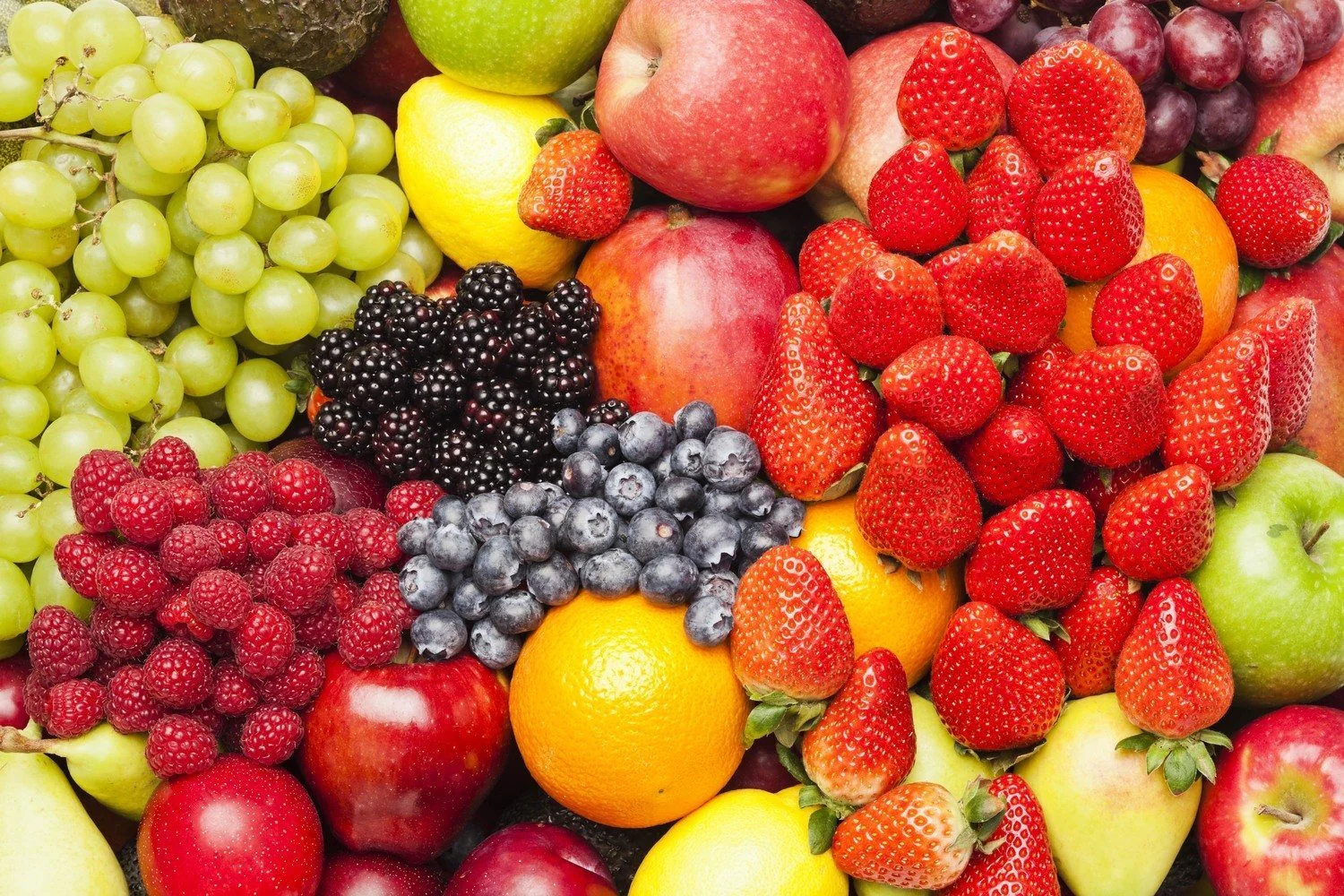
In today’s health-conscious world, the spotlight often falls on sugar intake and its profound impact on our well-being. This concern is especially pertinent for those managing diabetes or striving to maintain a healthy lifestyle. While fruits are undeniably nutritious, offering a plethora of vitamins, minerals, and fiber, understanding their glycemic index (GI) is crucial for making informed choices.
The Growing Concern Over Sugar Intake
Sugar has become a pivotal topic in health discussions, and for good reason. An excessive sugar intake is linked to numerous health issues, including obesity, type 2 diabetes, and heart disease. For diabetics, managing blood sugar levels is a daily challenge, and even those without diabetes are increasingly aware of sugar’s potential pitfalls.
Fruits, often caught in the sugar debate, are both loved and scrutinized. They are nature’s sweet treats, packed with essential nutrients, but they also contain natural sugars. Understanding how these sugars affect our bodies is key to integrating fruits into a healthy diet without compromising blood sugar balance.
This blog aims to provide clarity by exploring the relationship between fruits and the glycemic index, offering insights and tips that cater to everyone’s dietary needs, whether you’re a health enthusiast, a diabetic, or simply someone looking to make healthier choices.
Overview of Fruits The Nutritional Powerhouses
Fruits are nature’s gifts, brimming with vitamins, minerals, and fiber. They play a vital role in a balanced diet, promoting health and vitality. From the vibrant colors of berries to the refreshing taste of melons, each fruit offers a unique nutritional profile that contributes to overall well-being.
Vitamins and minerals in fruits support bodily functions, strengthening the immune system, enhancing skin health, and boosting energy levels. For instance, citrus fruits like oranges and lemons are rich in vitamin C, known for its antioxidant properties and ability to ward off colds.
Fiber is another critical component found in fruits. It aids digestion, helps control blood sugar levels, and keeps us feeling full longer. Apples, pears, and bananas are excellent sources of dietary fiber, making them ideal snacks for maintaining a healthy weight.
Despite their sugar content, fruits have a rightful place in a healthy diet. The key is to understand which fruits align with your health goals, particularly when considering their glycemic index values.
Understanding Glycemic Index What Is It and Why Does It Matter?
The glycemic index is a valuable tool for gauging how different foods impact blood sugar levels. It measures how quickly carbohydrates in food are converted into glucose in the bloodstream. Foods with a high GI are rapidly digested, causing a swift rise in blood sugar, whereas low-GI foods are absorbed more slowly, resulting in gradual changes in blood sugar.
For diabetics, monitoring the GI of foods is crucial to maintaining stable blood sugar levels. High-GI foods can lead to spikes in blood sugar, posing risks to their health. Even those without diabetes benefit from understanding the GI, as it can aid in weight management and energy regulation.
The GI is a scale ranging from 0 to 100, with pure glucose assigned a value of 100. Foods with a GI of 55 or lower are considered low GI, 56 to 69 are medium, and 70 or above are high. This simple system provides an easy way to evaluate the impact of foods on your body’s glucose levels.
Understanding the GI of fruits helps us make informed decisions about which varieties to enjoy freely and which to consume in moderation, ensuring our dietary choices support long-term health.
Fruits and GI Discovering the Sweet Spots
Not all fruits have the same effect on blood sugar levels. Categorizing them by their glycemic index can guide us in making healthier choices. Low-GI fruits are ideal for diabetics and those watching their sugar intake, while moderate consumption of higher GI fruits can be enjoyed by those with balanced blood sugar levels.
Low-GI Fruits
These fruits are not only delicious but also gentle on blood sugar levels, making them excellent choices for diabetics and health-conscious individuals:
- ol]:!pt-0 [&>ol]:!pb-0 [&>ul]:!pt-0 [&>ul]:!pb-0″ value=”1″>Cherries (GI 22): Sweet and tart, cherries are rich in antioxidants and can be enjoyed without fear of spiking blood sugar levels.
- ol]:!pt-0 [&>ol]:!pb-0 [&>ul]:!pt-0 [&>ul]:!pb-0″ value=”2″>Apples (GI 36): Crunchy and satisfying, apples are high in fiber and vitamins, perfect for snacking or adding to salads.
- ol]:!pt-0 [&>ol]:!pb-0 [&>ul]:!pt-0 [&>ul]:!pb-0″ value=”3″>Pears (GI 38): Juicy and fiber-rich, pears offer numerous health benefits and pair well with cheese or nuts for a balanced snack.
Medium-GI Fruits
While these fruits should be consumed in moderation, they still offer valuable nutrients and can fit into a balanced diet:
- ol]:!pt-0 [&>ol]:!pb-0 [&>ul]:!pt-0 [&>ul]:!pb-0″ value=”1″>Grapes (GI 53): Refreshing and hydrating, grapes are great for quick energy boosts but should be enjoyed in smaller portions by diabetics.
- ol]:!pt-0 [&>ol]:!pb-0 [&>ul]:!pt-0 [&>ul]:!pb-0″ value=”2″>Oranges (GI 45): Packed with vitamin C, oranges are hydrating and immune-boosting; just be mindful of portion sizes.
High-GI Fruits
These fruits should be enjoyed sparingly, especially by those managing blood sugar levels:
- ol]:!pt-0 [&>ol]:!pb-0 [&>ul]:!pt-0 [&>ul]:!pb-0″ value=”1″>Watermelon (GI 72): While hydrating and low in calories, watermelon’s high GI means it should be consumed in moderation.
- ol]:!pt-0 [&>ol]:!pb-0 [&>ul]:!pt-0 [&>ul]:!pb-0″ value=”2″>Pineapple (GI 66): Sweet and tropical, pineapple is vitamin-rich, but its higher GI calls for cautious consumption.
By understanding the GI of fruits, you can better tailor your diet to meet your health needs, enjoying the full spectrum of flavors without compromising your well-being.
Tips for Managing Fruit Intake Balancing Flavor with Health
Incorporating fruits into your diet requires a bit of planning to ensure you maximize their benefits while keeping sugar intake in check. Here are some practical tips to help you enjoy fruits healthily:
Portion Control
Size matters when it comes to fruit consumption. Even low-GI fruits can impact blood sugar if eaten in large quantities. Aim for a serving size that fits in the palm of your hand, and pair fruits with protein or healthy fats to slow down sugar absorption.
;;;;;;
Meal Planning
Include a variety of fruits in your diet to benefit from a wide range of nutrients. Plan meals that incorporate fruits in balanced ways, such as adding berries to your morning oatmeal or enjoying a small apple with almond butter as an afternoon snack.
Choosing the Right Fruits
Select fruits based on your specific health goals. For sustained energy and balanced blood sugar, opt for low-GI fruits. If you’re preparing for physical activity, a medium-GI fruit may provide the quick energy boost you need.
By thoughtfully managing fruit intake and selecting options that align with your health objectives, you can savor the sweetness of fruits while supporting overall wellness.
Conclusion The Sweet Spot of Balanced Fruit Consumption
Fruits are an integral part of a healthy diet, offering a bounty of nutrients essential for our well-being. Understanding the glycemic index empowers us to make informed choices, balancing flavor with health benefits.
For diabetics and health enthusiasts alike, the key is knowledge and moderation. By selecting the right fruits and incorporating them wisely into our diets, we can enjoy their natural sweetness while managing our sugar intake effectively.
Remember, sharing knowledge can lead to healthier communities. Encourage others to explore the world of fruits and glycemic index by sharing this post and engaging in the comments below. Your experiences and tips could be the inspiration someone needs to start their own fruity adventure.
site-verification-ok


Ray ID: 8f3a2c1b9d4e5f6a · Performance & security by Cloudflare
site-verification-ok
Ray ID: 8f3a2c1b9d4e5f6a · Performance & security by Cloudflare
site-verification-ok
Ray ID: 8f3a2c1b9d4e5f6a · Performance & security by Cloudflare
site-verification-ok
Ray ID: 8f3a2c1b9d4e5f6a · Performance & security by Cloudflare
site-verification-ok
Ray ID: 8f3a2c1b9d4e5f6a · Performance & security by Cloudflare
site-verification-ok
Ray ID: 8f3a2c1b9d4e5f6a · Performance & security by Cloudflare
site-verification-ok
Ray ID: 8f3a2c1b9d4e5f6a · Performance & security by Cloudflare
site-verification-ok